


Search engine optimisation (SEO) is a multipronged marketing effort that helps build visibility for a brand and drive traffic towards its website so there are more opportunities to convert online users. The content that is created and disseminated through various channels can also be used to establish the brand as an authority in their niche field, making them appear more trustworthy.
All kinds of content can be created for this purpose including blog posts, infographics, videos, podcasts, e-books and social media postings. Whenever a business pursues an SEO campaign, it is important to keep track of changing guidelines and rules that search engines use in facilitating rank building and visibility.
These are just some of the basic facts that most online users that have even a passing knowledge of SEO are aware of. However, there are a few SEO secrets you should make a note of if you are looking to fully exploit this practice for the benefit of your brand.
1. Link Building
Early on, marketers used link building to drive traffic, visibility, and boost ranking. The consensus was that the more sites that linked to your content, the more trusted you were. The better quality backlinks you secured, the more search engines could trust in you and regard you as an authority. However, many quickly started making mistakes while trying to exploit this opportunity. Some of the common problems that emerged included:
- buying and selling of links
- link spamming
- excessive use of anchor text
- use of link exchanges
These bad backlinks caused search engines to begin penalising offenders, with many sites dropping drastically in ranking. Some marketers now feel that link-building activity is no longer as effective in helping boost ranking. This is false. Backlinks are still amongst the top ranking factors for search engines like Google. They still very much factor in their ranking algorithm and how sites are found and indexed.
To make this work for you, you need to ensure you create high-quality content that will attract the interest of high-authority websites. This content needs not just to impart valuable information, but also elicit discussion that will lead to more likes, shares, and comments. Tailor content for people who can give you links as this will give them a reason to want to connect with you and share what you create.
2. Internal Links
With time you may need to create new web pages for your site. You will probably have taken great care to ensure the content is of high quality and the page optimised. You however also need to create internal links to your more established and authoritative web pages. This will help with ranking as the new webpage will be more easily discovered and indexed by search engines.
Audit all the web pages on your site and ensure they are adequately interlinked, especially to your most highly ranked pages. Ensure your site structure is easy and navigable. The use of parent pages and submenus can help make it easy for both online users and search engines to get around your site and find just what they need.
3. Facebook Activity
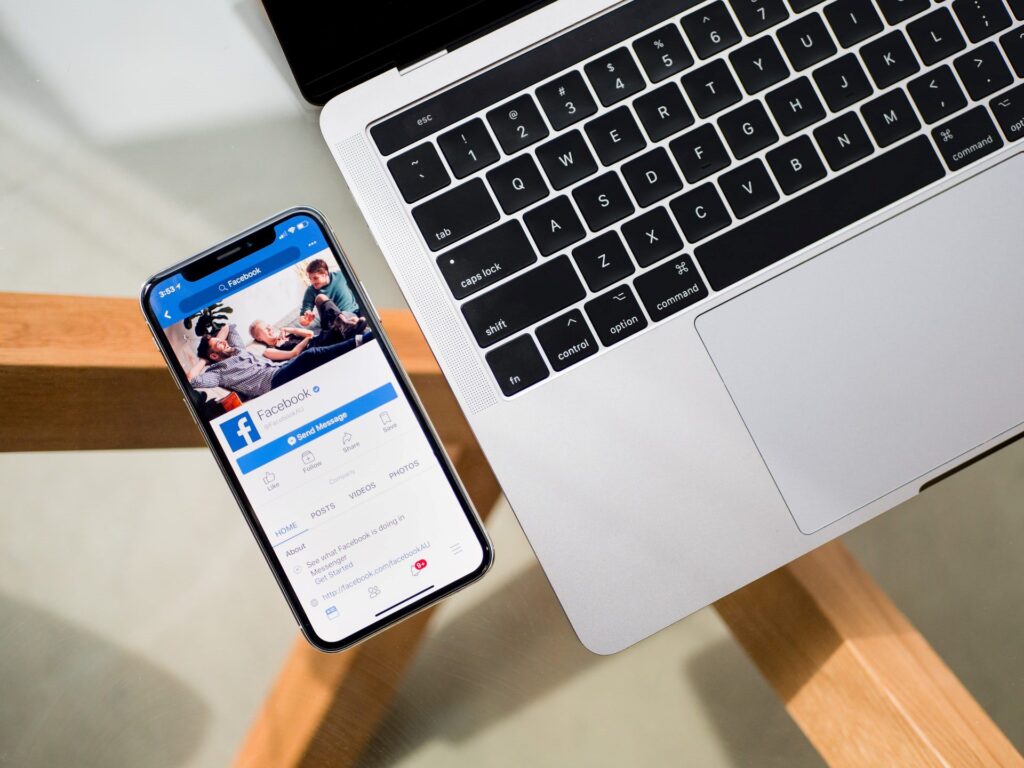
Online marketers recommend focusing on social channels that would matter the most to the audiences you are targeting when carrying out social media marketing. However, it is a good idea to ensure Facebook is amongst your top social channels of focus, no matter the nature of your business. Not just because it is the biggest social network, but also because it may have an impact on your brand’s web ranking.
A study showed some correlation between sites that had achieved top ranking and Facebook activity. Shares and comments were found to be consistently high in highly ranked sites. So besides helping to drive traffic and conversions, social media marketing done via Facebook should also be considered a contributor towards building rank. But it is not just about posting content, but rather, encouraging engagement that will see posts elicit more likes, shares, and comments.
4. Image Use
Object recognition has become a ranking signal for Google and is on track to become more prominent thanks to such innovations as Cloud Vision API that is being used to detect and identify individual objects within images. This makes it vital to ensure your content includes high-quality images that tie into the written content.
Image optimisation helps deliver a better user experience and faster page load times, no matter the size of the device they are being accessed through. With about 20% of web searches being done through Google Images and image searches on mobile devices having grown by over 60% between 2016-2018, this is an avenue brands cannot afford to ignore.
